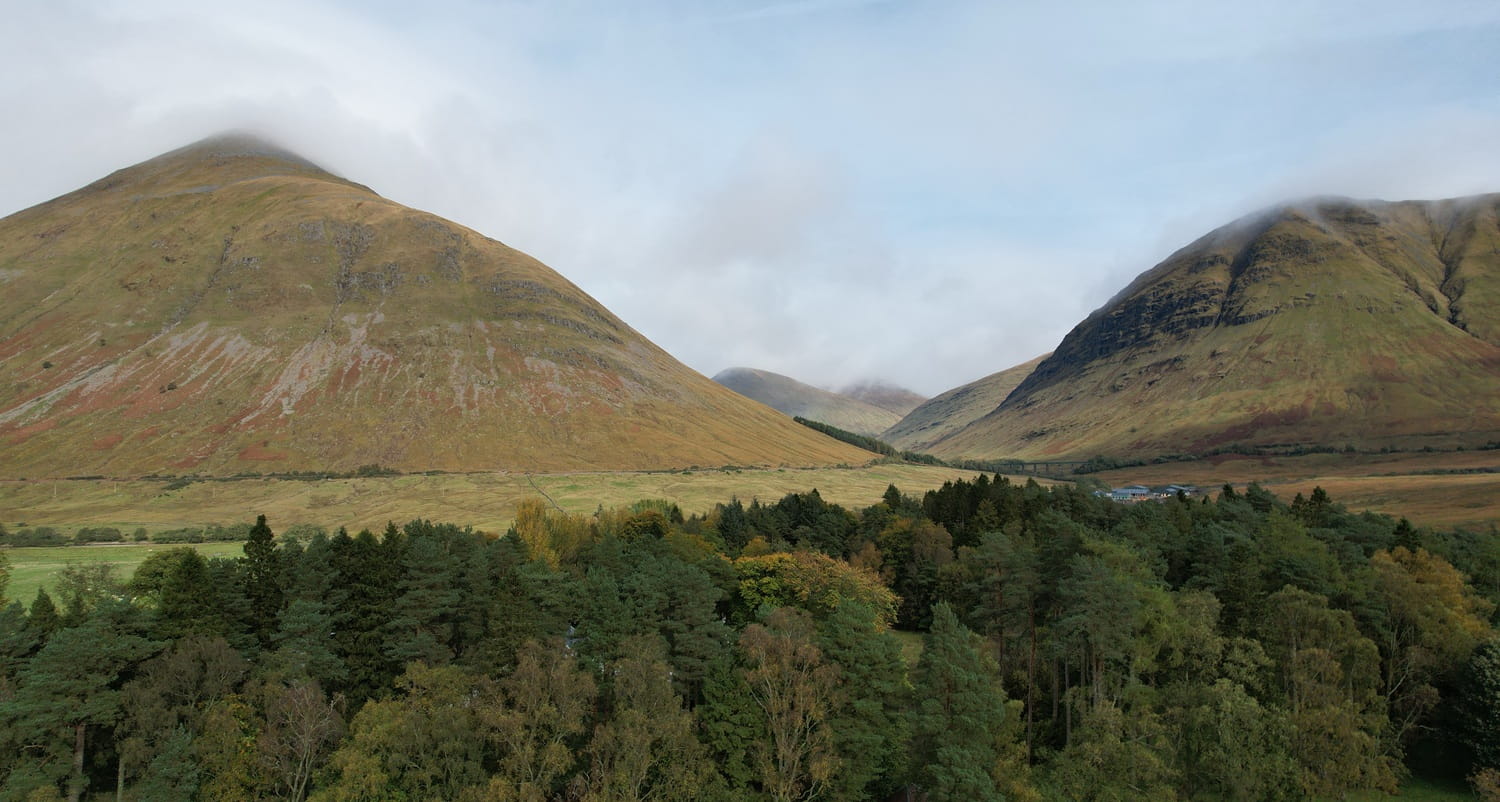
At Auch, our history is held in the landscape.
It can be traced along old routes through the glens, in the remains of earlier settlements, beneath the arches of our Victorian railway viaduct and across hills that have supported generations of Highland farming. It is also carried in the Gaelic names used to describe this landscape for centuries.
Today, Auch Estate covers approximately 28,200 acres of the Scottish Highlands, stretching across the historic counties of Argyll, Stirling and Perthshire. With seven Munros, six Corbett’s, Loch Lyon and a network of rivers, tracks and glens, ours is a landscape of remarkable scale. But it has never been empty. People have lived, worked and travelled here for hundreds of years.
A Landscape Older Than the Estate
Long before Auch became the estate it is today, people moved between Glen Orchy and Glen Lyon through these hills.
The historic route following the Allt Kinglass through Auch Gleann formed part of a network connecting communities on either side of the mountains. It is remembered as both a drove road and a coffin road, said to have been used by the MacGregors of Glen Lyon when carrying their dead westwards to Dalmally in Glen Orchy.
Evidence of earlier occupation survives across the wider estate. Archaeological records identify several scheduled monuments within Auch and Invermearan, reminding us that the open hills we know today were once crossed by families, herders, hunters and travellers.
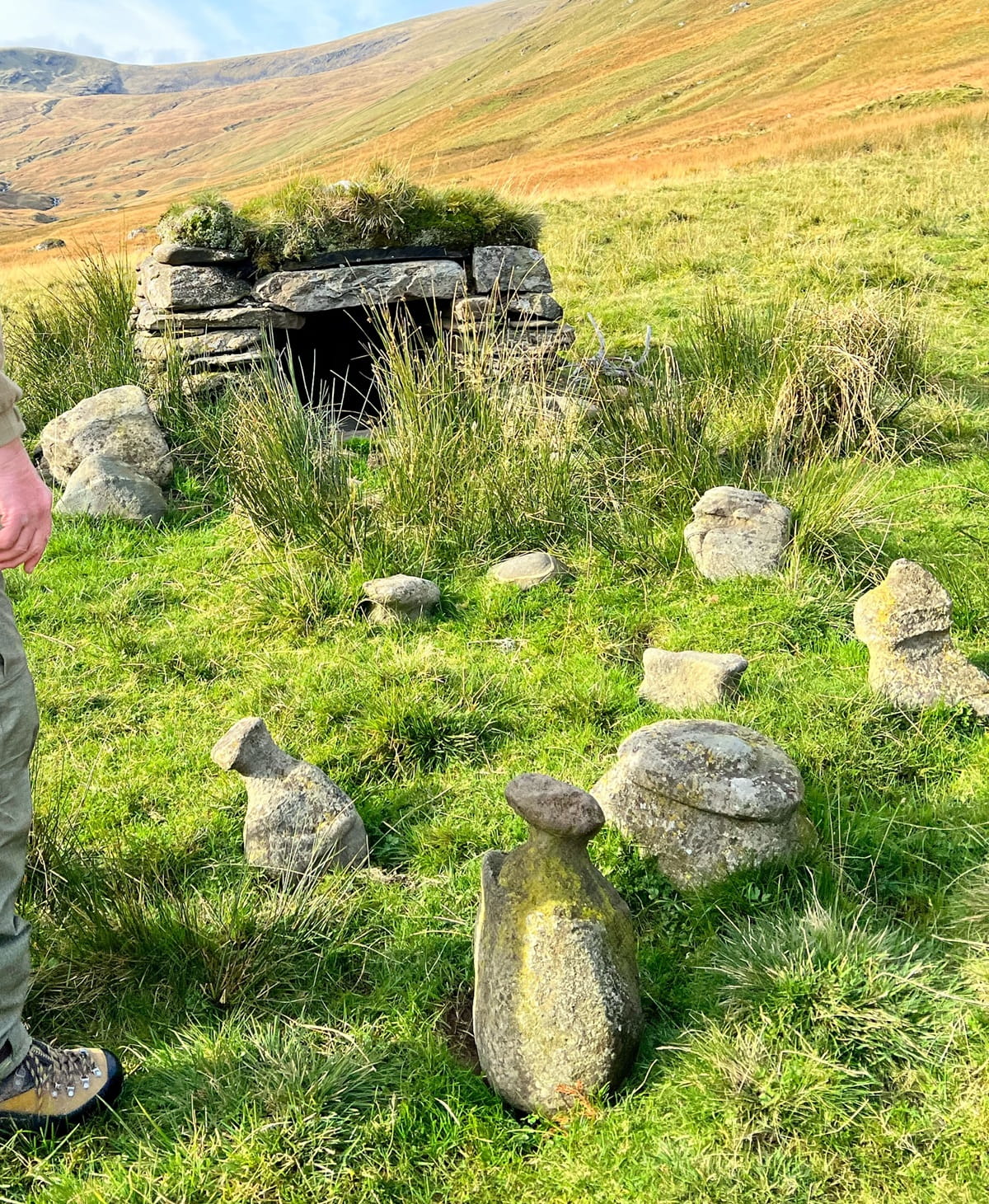
At the head of Glen Lyon, the wider landscape is also associated with Tigh nam Bodach, or the “House of the Old Man”. This small stone shelter contains weathered stones resembling human figures, and the seasonal customs connected with it are often described as survivals of an ancient Highland tradition.
Clans, Kings and the Early Story of Auch
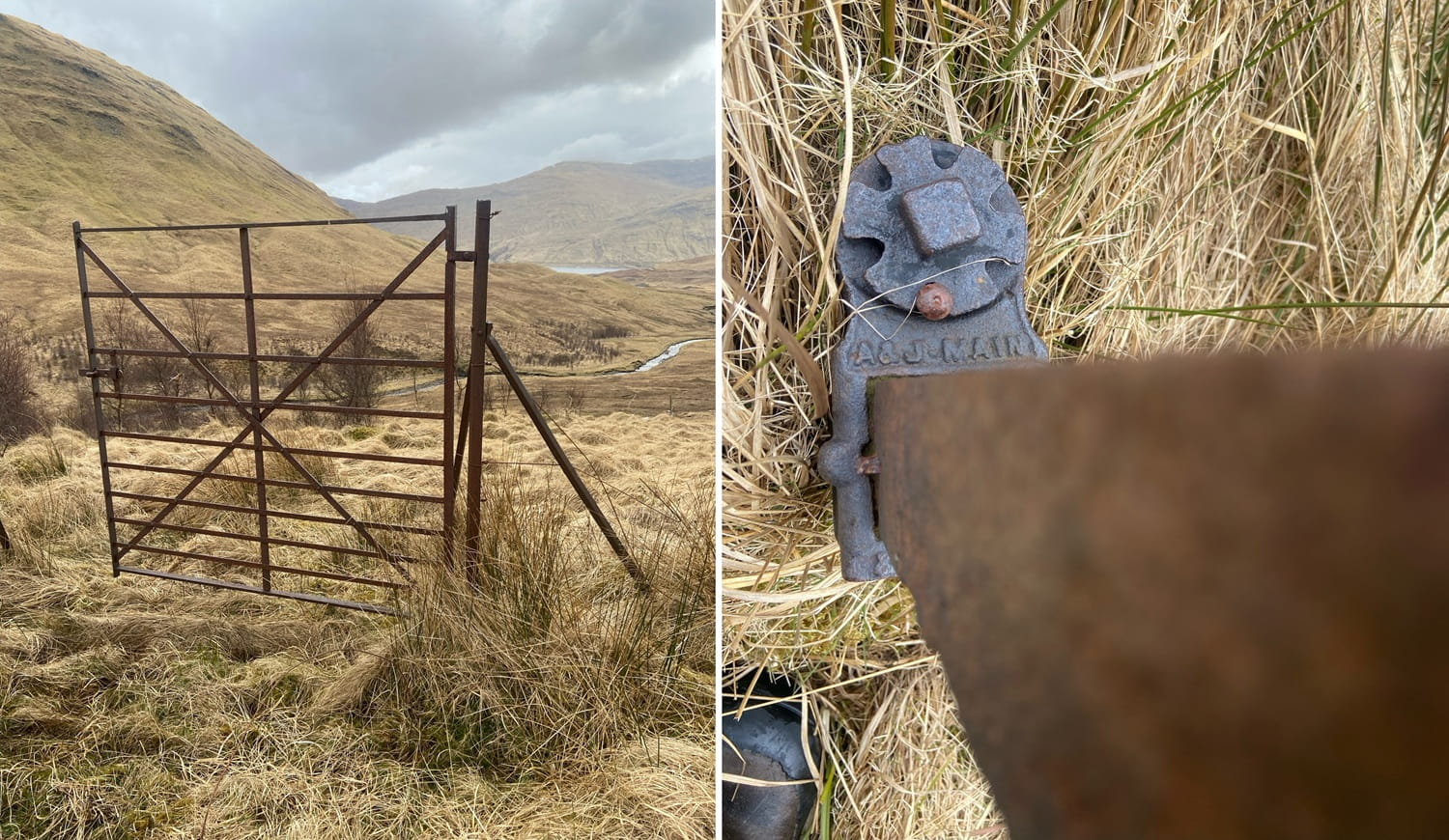
Our name preserves traces of Auch’s Gaelic past. Older recorded forms include Auch innis Challain and Gleann Ach-innis Chailein.
Historical research identifies the early settlement here as Achinnis Chailein, where members of Clan Gregor established themselves at an early date. The area was significant enough for King James IV to visit in 1506, when he hunted in the surrounding country.
During the later medieval and early modern periods, control of much of Glen Orchy passed from the MacGregors to the powerful Campbells of Glen Orchy, who later became closely associated with Breadalbane. Auch subsequently developed as a substantial Highland tack, managed under lease as part of the wider clan and estate system.
These arrangements shaped where people lived, how livestock was managed and how the glens were organised. Long before modern machinery, life here depended upon an intimate understanding of the weather, water, grazing and the seasonal movement of animals.
That connection to the land remains central to Auch today.
Routes Through a Changing Highlands
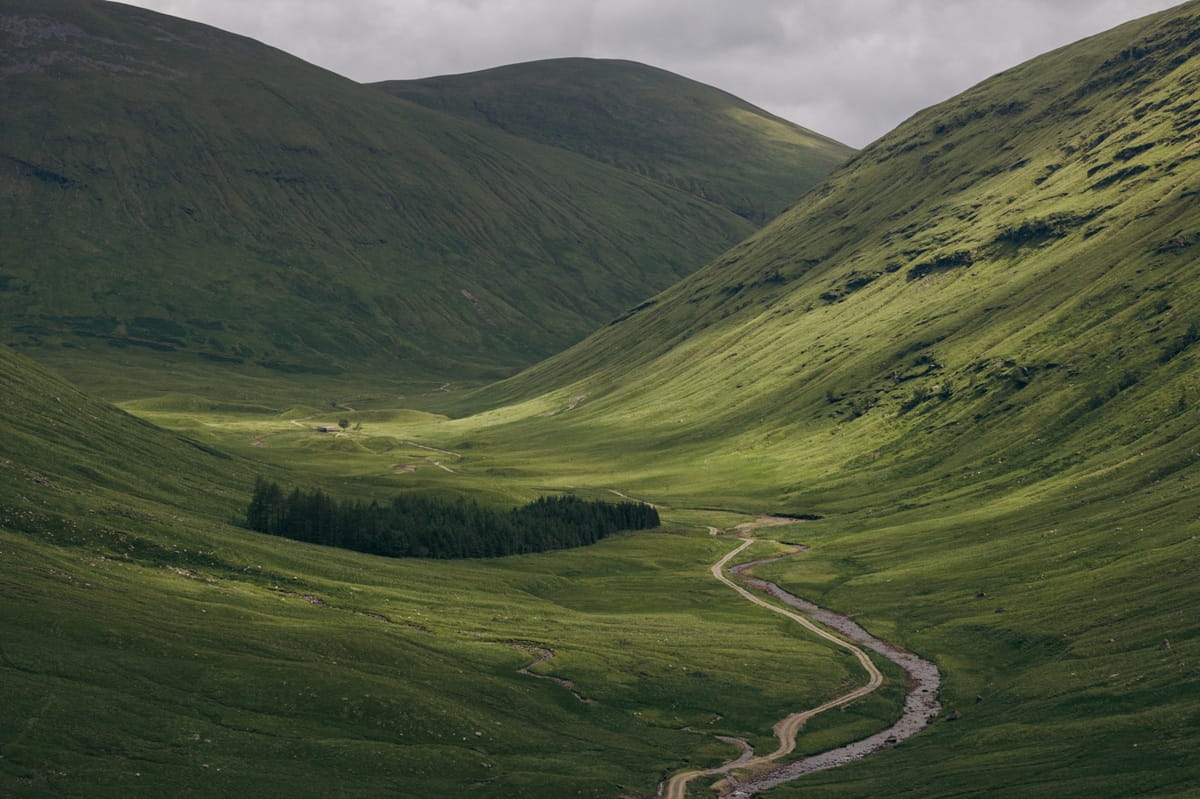
Although our landscape can feel wonderfully remote, Auch has long stood beside important routes through the Highlands.
Old tracks once carried livestock, funeral processions and travellers through the glens. Roads later connected the area more closely with Tyndrum and Bridge of Orchy. During the Victorian period, another ambitious form of transport arrived.
The West Highland Line reached Auch in 1894. To cross the Allt Kinglass valley, engineers constructed the Auch Horseshoe Viaduct, an early steel structure formed from nine spans supported on mass-concrete piers.
More than 130 years later, trains continue to cross the viaduct. Its graceful curve has become an inseparable part of our landscape.
The West Highland Way also passes through the estate. As Scotland’s first officially designated long-distance walking route, it now brings walkers from around the world past Auch on their journey from Milngavie to Fort William.
Water, Engineering and Renewable Power
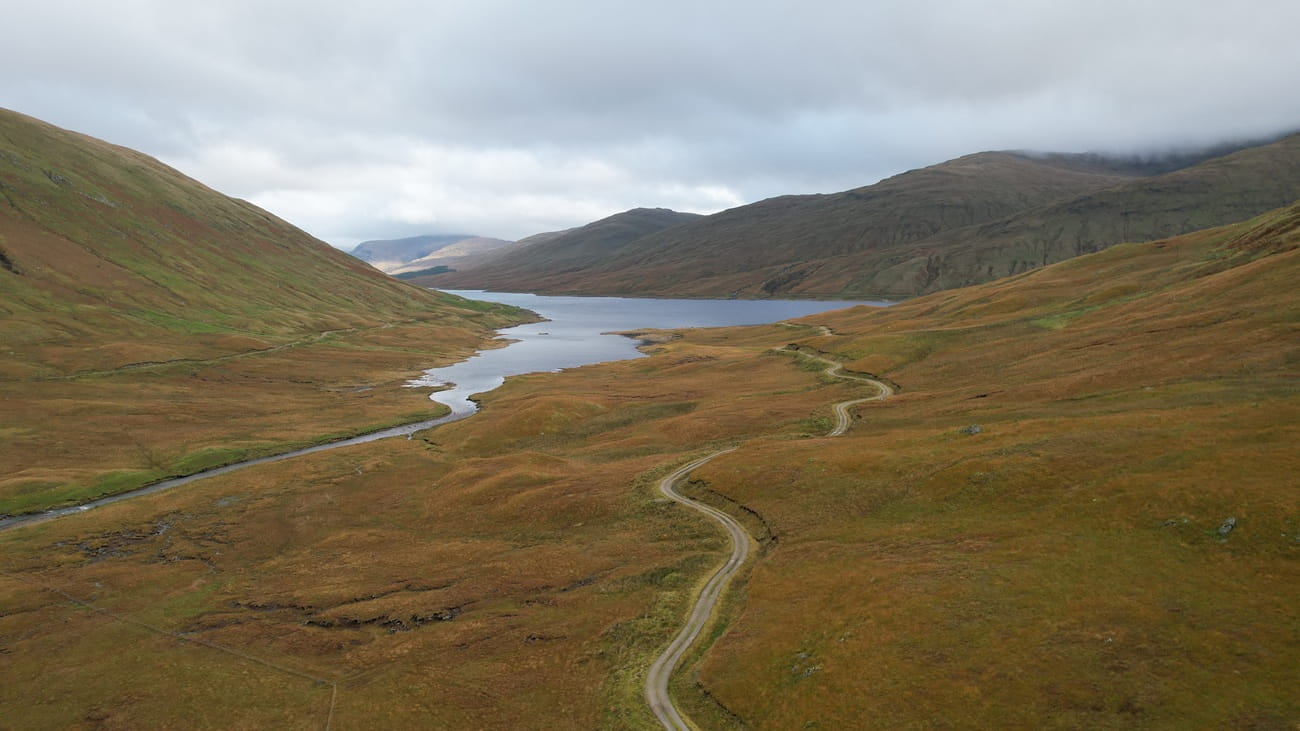
Water has always shaped Auch. It has carved our glens, fed our rivers and influenced where people and animals could thrive.
During the twentieth century, water also became an important source of renewable electricity. The Breadalbane hydroelectric development transformed parts of the landscape around Loch Lyon, with the Lubreoch dam and power station completed in 1958.
Hydroelectric power remains part of life at Auch. Our own hydro scheme helps to power Auch Village and the farm, connecting our modern energy needs with a natural resource that has shaped this landscape for millennia.
A Living Estate
Our history is not a finished story.
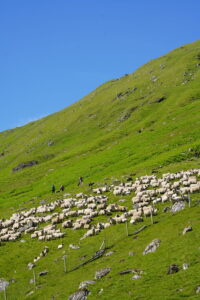
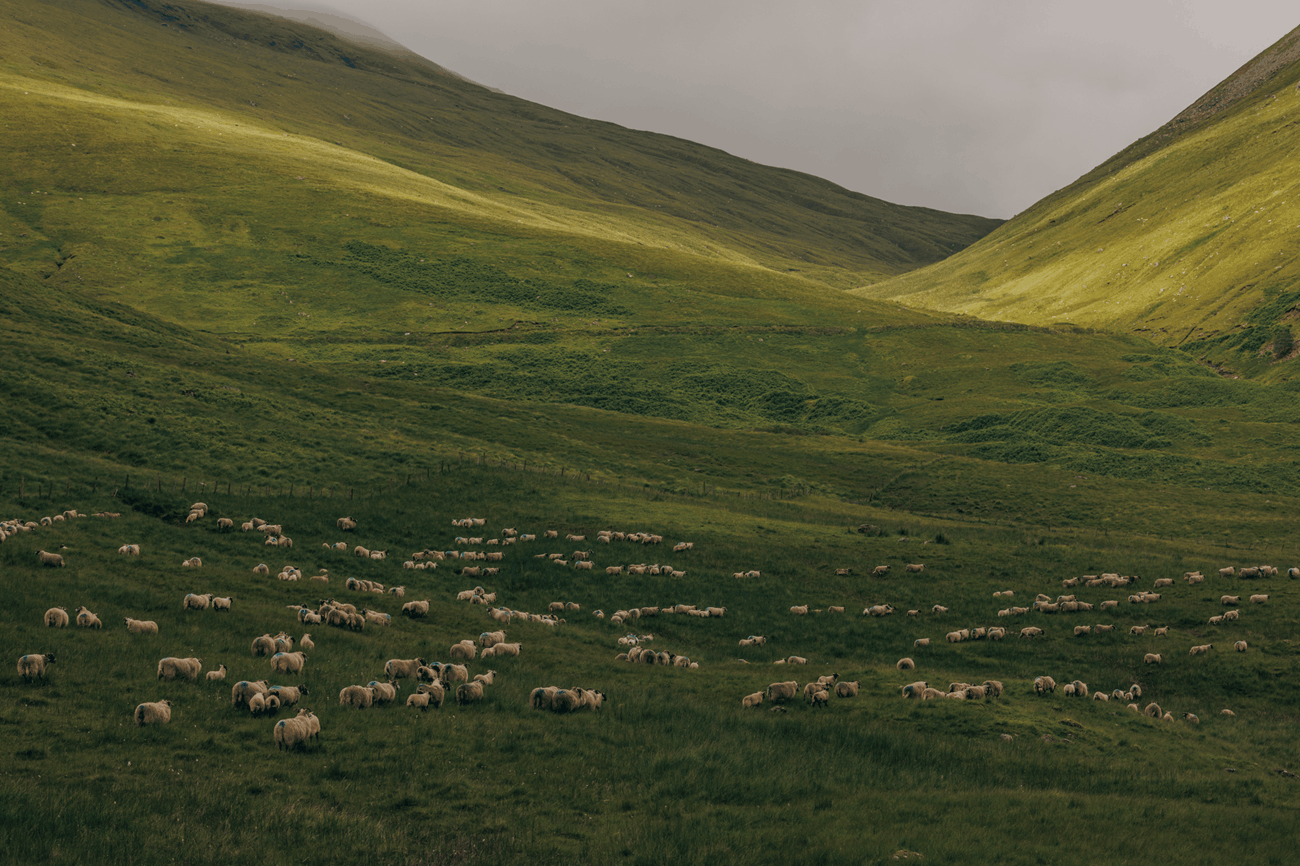
Auch remains one of Scotland’s largest working hill farms, with sheep and cattle roaming across an extensive Highland landscape. Our farming practices have been shaped by generations of experience, while modern infrastructure and environmental management are helping us prepare for the future.
We are working towards a balanced relationship between agriculture, wildlife and natural regeneration. We have also carefully renewed historic farmhouses as comfortable, energy-efficient places to stay, allowing our guests to experience Auch not as a museum, but as a living and working estate.
That is perhaps the most important thread running through our history. Clan territories became farms, old tracks became walking routes, rushing water became renewable power and working buildings found new purposes.
Yet the essential character of Auch endures. The mountains still gather the weather. Deer move through the cories, sheep graze the open hills and trains curve across the viaduct as they travel north through the Highlands.
As we look to the future, we are also planning new developments, including the recreation of Auch Lodge in the coming years. When you stay with us at Auch, you become part of that continuing story—even if only for a few days.